[ad_1]
Commodity trading in Africa doesn’t feel like it used to. Not that long ago, you’d wait hours for price updates, maybe a whole day. You’d rely on phone calls, radio reports, or printed bulletins that were already out of date when they reached you.
Now prices can change on your screen before you’ve even finished a cup of tea. The tools are faster, the reach is broader, and the people trading are far more varied than before.
For those exploring commodity trading South Africa, this shift is more than just speed. Platforms like Exness have made it easier to connect to global markets, see what’s happening instantly, and act while it’s still relevant. And perhaps just as importantly, these tools have given smaller traders a chance to compete on a level that wasn’t possible before.
From Yesterday’s Prices to Now
The lag is gone. You don’t need to guess where the market might be by the time your information arrives. Real-time data means you can see changes as they happen, that could be an unexpected weather report, a sudden spike in demand, or political news that ripples across borders.
This immediacy changes how you plan. It’s no longer about preparing for what might happen next week, it’s about managing what’s in front of you right now, and doing it before the opportunity slips away.
Real-time tools also make reviewing your own trades easier. You can look back at what happened within the same session, figure out why you acted the way you did, and adjust for the next time.
Trading Without Standing Still
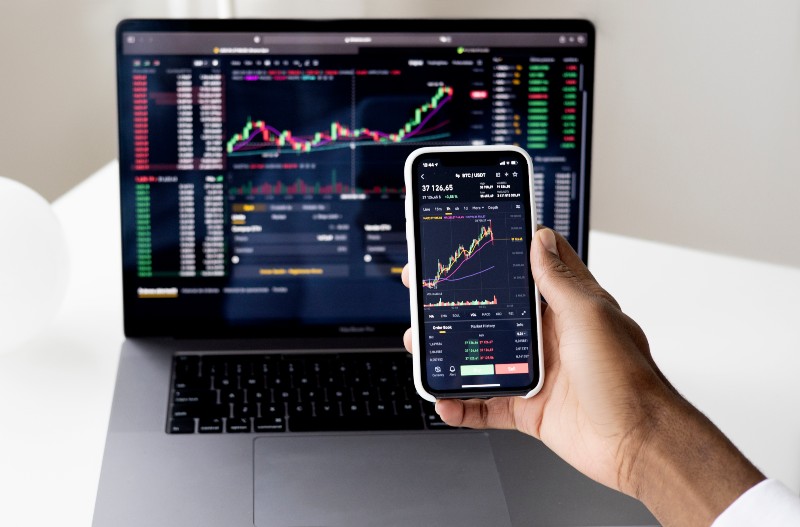
Modern platforms have made mobility a normal part of trading. You can open a position in the morning from your desk, check it while you’re in a taxi, then close it on the sofa at home.
This freedom matters in Africa, where many traders are not based in financial hubs. You don’t need an office lined with screens, a smartphone and a stable signal can keep you in the game.
It’s also pulled in people who wouldn’t have considered trading before. Easier layouts, clearer tools, and less intimidating setups have made the first step less daunting. And once you start, the ability to trade wherever you are quickly becomes a habit.
Learning on Your Own Time
Education used to be a hurdle. You either had to know someone in the industry or pay for formal courses. Now, you can watch a tutorial, pause it halfway, try what you’ve learned, then come back later.
Webinars, articles, and interactive lessons have made it possible to build skills without leaving home. And with demo accounts, you can practise strategies without the risk.
Some traders branch into related markets to understand the bigger picture. If you use platforms like Exness and learn how to forex trade in South Africa, you’ll see how currency shifts can nudge commodity prices in ways that aren’t obvious at first glance. That knowledge can be the difference between spotting an opportunity early and missing it completely.
Smarter Risk Tools
Risk has always been there, but technology makes it easier to manage. You can set a stop-loss while placing a trade, so it closes automatically if things go wrong. You can create alerts that ping you when prices hit a level you’re watching.
Some use automation to take emotion out of the process. Rules are set in advance, and trades trigger without hesitation. It’s not perfect, but for certain strategies it’s an advantage. And even if you don’t go fully automated, the same principles of discipline apply, act based on your plan, not your mood.
Beyond Borders
It’s not just about local exchanges anymore. Traders can tap into markets from around the world. That might mean metals from one continent, agricultural goods from another.
But here’s the catch: the more markets you watch, the more factors you have to consider. A storm in another hemisphere, a shipping delay halfway across the world, a sudden export ban, they can all feed back into your market in ways you might not expect.
Data in Everyone’s Hands
Advanced charts, historical data, sentiment trackers, things that used to be for big firms, are now in the hands of individual traders. And they’re using them. Back-testing a strategy to see how it would have worked last year is no longer a luxury; it’s standard practice.
Of course, having the tools doesn’t mean everyone uses them well. The temptation to over-analyse is real. Sometimes the best decision comes from keeping it simple. Other times, digging deeper into the data reveals a hidden pattern that’s worth acting on.
Rural Access and New Voices
Improved internet coverage has changed who can trade. Farmers in small towns can compare offers, see global prices, and sell when the numbers make sense for them. This reduces their reliance on middlemen and connects them to buyers they might never have met otherwise.
And more participants bring more perspectives. Markets become richer when you have voices from all corners, not just the big players. That diversity can make price discovery more accurate and the market itself more resilient.
The Upside and the Watch-Outs
The opportunities are bigger now. So are the mistakes if you’re not careful. Poor connections can still cut you out at the wrong time. Cybersecurity threats are a reality, and the flood of information can overwhelm even experienced traders.
And here’s the thing: just because the market is moving faster doesn’t mean you have to. Patience still matters. Some of the best trades come from waiting for the right setup, not chasing every flicker on the chart. And with technology, you have more ways than ever to set alerts, walk away, and come back when the timing is right.
Looking Ahead
Technology won’t slow down. Faster networks, better mobile coverage, and even smarter analysis tools are already on the horizon. Traders who adapt will keep finding opportunities, but those who resist the changes might find the gap growing.
The best approach is to stay curious, keep learning, and remember that while the tools evolve, the core skills of discipline, patience, and awareness never go out of date.
Final Word
African commodity trading has moved from slow, limited channels into a connected, real-time environment. In South Africa, traders can act as quickly as their counterparts anywhere else. The trick is not just having the technology, it’s knowing when and how to use it.
//Staff writer
[ad_2]
Source link
Leave a Reply